
Sun-induced pigmentation, such as melasma, sunspots, and uneven skin tone, can be frustrating for many individuals. Protecting your skin from the harmful effects of ultraviolet (UV) rays is essential for maintaining a radiant and even complexion. Here’s a comprehensive guide on how to safeguard your skin from sun-induced pigmentation:
1. Understand Sun-Induced Pigmentation
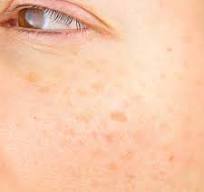
Before delving into protection methods, it’s essential to understand how the sun affects your skin. UV rays, particularly UVA and UVB, can trigger an overproduction of melanin, the pigment responsible for skin colour. Prolonged exposure can lead to dark spots, uneven tone, and chronic conditions like melasma.
2. Use Broad-Spectrum Sunscreen Daily
Sunscreen is your first line of defence against harmful UV rays. Here are some tips:
1)SPF Matters:
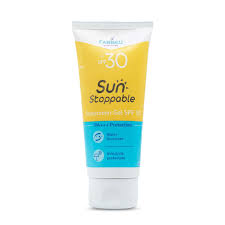
Use a sunscreen with at least SPF 30. For prolonged outdoor exposure, SPF 50 or higher is recommended.
3. Wear Protective Clothing
Hats:
Wearing wide-brimmed hats provides shade and minimizes direct sun exposure to your face.
UPF Clothing:
Wearing UPF-rated clothing will increase your protection.
Long Sleeves:
Lightweight, long-sleeved shirts can cover your arms without overheating.
Sunglasses:
UV-blocking eyewear protects the sensitive skin around your eyes and prevents damage from the sun.
4. Avoid Peak Sun Hours
UV radiation is most intense between 10 a.m. and 4 p.m. During these hours:
Stay Indoors:
If staying outdoors is unavoidable, stay under umbrellas, trees, or canopies.
Seek Shade:
If it’s possible, avoid direct sun exposure.
Plan outdoor activities wisely:
Schedule outdoor events in the early morning or late afternoon.
5. Incorporate Antioxidants in Your Skincare Routine
Antioxidants help neutralize free radicals caused by UV exposure. Effective antioxidants include:
Vitamin C:

Brightens skin and reduces pigmentation.
Vitamin E:
Repairs and hydrates damaged skin.
Niacinamide:
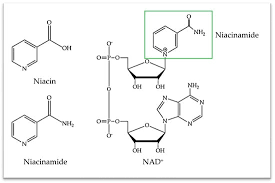
Reduces melanin transfer and minimizes discolouration.
Green Tea Extract:
Offers soothing and protective benefits.
6. Exfoliate Regularly
Exfoliation helps remove dead skin cells and may lighten existing pigmentation. Follow these guidelines:
Chemical Exfoliants:
Use AHAs (glycolic acid, lactic acid) or BHAs (salicylic acid) for gentle resurfacing.
Physical Exfoliants:
Opt for mild scrubs to avoid irritation.
7. Hydrate and Moisturize
Well-hydrated skin is less prone to damage. Maintain hydration by:
Using Hyaluronic Acid:
Retains moisture and plumps the skin.
Drinking Water:
Aim for 8 glasses a day to keep your skin hydrated from within.
Applying Barrier Creams:
Strengthen the skin’s natural barrier to prevent pigmentation triggers.
8. Healthy Diet
Nutrition is the key to skin health. In your diet, make sure to have:
Foods Rich in Antioxidants:

Vitamin A:
This vitamin is present in carrots, sweet potatoes, and leafy greens. It aids in the regeneration of the skin.
Omega-3 Fatty Acids:

These are present in fish, flaxseeds, and walnuts.
9. Professional Treatments
Chemical Peels:
Remove damaged layers of skin.
Laser Therapy:
Targets and breaks down pigment clusters.
Microneedling:
Stimulates collagen production to improve skin tone.
Prescription Creams:
Such as hydroquinone or retinoids to lighten dark spots.
10. Be Consistent and Patient
Preventing and treating sun-induced pigmentation requires consistency. Follow your skincare routine daily, wear sunscreen religiously, and monitor your skin’s progress over time.
Final Thoughts:
Protecting your skin from sun-induced pigmentation is a multifaceted approach that combines proactive prevention with effective treatments. By adopting these strategies, you can maintain an even, radiant complexion while minimizing the risk of pigmentation.Stay committed to your skincare routine, and don’t hesitate to seek professional guidance if needed.Additionally, adopting a holistic lifestyle by incorporating antioxidants, hydration, and a balanced diet supports your skin’s resilience against UV damage. For those with persistent pigmentation, professional treatments can provide significant results under expert guidance.Start today by evaluating your current habits and making small but impactful changes. Together, these steps will ensure that your skin remains beautiful, healthy, and protected from sun-induced pigmentation.