
Daily Skincare Routine for Pigmentation-Prone Skin
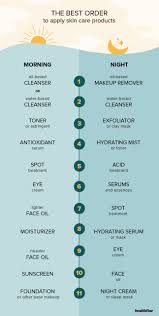
Pigmentation, a common skin concern, involves the darkening of skin due to overproduction of melanin. This condition can be triggered by various factors such as sun exposure, hormonal changes, or inflammation. A consistent and targeted skincare routine is essential to manage and reduce pigmentation effectively. Below is a comprehensive daily skincare routine tailored for pigmentation-prone skin. Morning Skincare Routine 1. Gentle Cleanser Start your day with a gentle, hydrating cleanser to remove any overnight oil buildup. Look for cleansers containing ingredients like niacinamide or ceramides that help in reducing inflammation and strengthening the skin barrier. 2. Toner Use a toner to balance your skin’s pH levels. Opt for alcohol-free toners with soothing ingredients such as rose water or green tea extract to avoid irritation. 3. Antioxidant Serum Incorporate a vitamin C serum into your morning routine. Vitamin C helps to brighten the skin, reduce dark spots, and protect against environmental damage. Apply a few drops to your face and neck, gently pressing it into the skin. 4. Moisturizer Hydrate your skin with a lightweight, non-comedogenic moisturizer. Products with ingredients like hyaluronic acid or glycerin can help maintain hydration without clogging pores. 5.Sunscreen This is a crucial step for pigmentation-prone skin. Use a broad-spectrum sunscreen with at least SPF 30. Sunscreens with zinc oxide or titanium dioxide provide excellent protection against both UVA and UVB rays. Reapply every two hours if you are outdoors. Evening Routine Media 1.Makeup Remover/Cleansing OilStart with a gentle makeup remover or cleansing oil to dissolve makeup and sunscreen. Double cleansing ensures that all impurities are thoroughly removed. 2. CleanserFollow up with a gentle cleanser to wash away any residual makeup remover and impurities from the day. 3. Exfoliator (2-3 times a week)Use a chemical exfoliator with alpha-hydroxy acids (AHAs) like glycolic acid or beta-hydroxy acids (BHAs) like salicylic acid. These help to slough off dead skin cells, promoting cell turnover and reducing the appearance of dark spots. 4. TonerApply a soothing toner to calm the skin after exfoliation and restore pH balance. 5. Treatment SerumIn the evening, use a serum that targets pigmentation, such as one containing tranexamic acid, kojic acid, or arbutin. These ingredients help to lighten dark spots and even out skin tone. 6. Retinol (2-3 times a week)Introduce a retinol serum or cream to your routine gradually. Retinol promotes cell turnover, reduces fine lines, and fades hyperpigmentation. Start with a low concentration and increase as your skin builds tolerance. 7. MoisturizerApply a thicker, more nourishing moisturizer in the evening to help repair and hydrate the skin overnight. Look for products with ceramides, peptides, or shea butter. Weekly Additions 1. Face MasksIncorporate a hydrating or brightening face mask into your routine once or twice a week. Masks containing ingredients like vitamin C, niacinamide, or hyaluronic acid can help boost skin radiance and hydration. 2. Spot TreatmentsFor stubborn dark spots, consider using a spot treatment with high concentrations of active ingredients like hydroquinone (used under dermatological supervision), azelaic acid, or licorice extract. Lifestyle Tips 1. Healthy DietConsume a diet rich in antioxidants, vitamins, and minerals. Foods high in vitamin C, E, and omega-3 fatty acids can help improve skin health from the inside out. 2. HydrationDrink plenty of water throughout the day to keep your skin hydrated and flush out toxins. 3. Avoid Sun ExposureMinimize sun exposure, especially during peak hours (10 AM to 4 PM). Wear protective clothing and wide-brimmed hats when outdoors. 4. Manage StressHigh stress levels can exacerbate skin conditions, including pigmentation. Practice stress-reducing activities like yoga, meditation, or regular exercise. 5. Regular Dermatologist VisitsSchedule regular visits to a dermatologist for professional advice and treatments, such as chemical peels or laser therapy, if needed. By following this daily skincare routine, you can help manage pigmentation-prone skin effectively. Remember, consistency is key, and it may take several weeks to see significant improvements. Always be gentle with your skin and avoid harsh products that can cause irritation or worsen pigmen