
Skin pigmentation issues, such as dark spots, melasma, and uneven skin tone, can be a source of concern for many people. Fortunately, advancements in dermatology have led to the development of antipigmentation products that help lighten these blemishes and promote a more even skin tone. When choosing such products, understanding the key ingredients that contribute to their efficacy is essential. Here, we explore the top five ingredients to look for in antipigmentation products.
1. Vitamin C (Ascorbic Acid)
Vitamin C is a potent antioxidant known for its skin-brightening properties. It works by inhibiting the enzyme tyrosinase, which plays a critical role in the production of melanin, the pigment responsible for dark spots and uneven skin tone. Vitamin C is often found in serums and creams. It is best applied in the morning under sunscreen for enhanced protection against environmental damage.Provides a protective barrier against UV-induced damage, further preventing pigmentation.
2.Hydroquinone
Hydroquinone is considered one of the most effective ingredients for lightening hyperpigmentation. It reduces melanin production by inhibiting the enzymatic conversion of tyrosine to dopa (a melanin precursor).Hydroquinone is available in over-the-counter products as well as prescription-strength formulations. It is typically used for short-term treatment due to potential side effects like irritation and ochronosis with prolonged use.Often shows visible results within a few weeks of regular use.Hydroquinone is available in over-the-counter products as well as prescription-strength formulations. It is typically used for short-term treatment due to potential side effects like irritation and ochronosis with prolonged use.
3. Kojic Acid
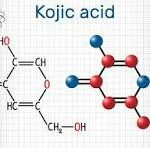
Derived from fungi, kojic acid is a natural alternative to hydroquinone. It has gained popularity for its ability to lighten skin pigmentation without the harsher side effects associated with synthetic ingredients.Kojic acid is commonly found in creams, serums, and soaps. It is suitable for daily use and can be combined with other skin-lightening agents for enhanced results. Offers additional skin-protective benefits by combating free radicals.Inhibits melanin production, leading to a gradual lightening of hyperpigmentation.Inhibits melanin production, leading to a gradual lightening of hyperpigmentation.
4. Retinoids
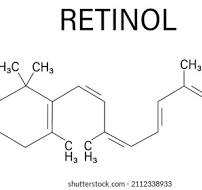
Retinoids, derivatives of vitamin A, are renowned for their multifaceted skin benefits, including their ability to improve skin texture and tone by accelerating cell turnover.Retinoids are available in various strengths and formulations, including creams and serums. Due to their potency, they are typically introduced gradually into a skincare routine to minimize irritation.Increases the absorption of other active ingredients in skincare products.
5.Azelaic Acid
Azelaic acid is a naturally occurring acid found in grains like barley and wheat. It is known for its anti-inflammatory and antibacterial properties, making it a versatile ingredient for treating both pigmentation and acne.Azelaic acid is available in gels and creams, often prescribed for conditions like rosacea and melasma. It is typically used twice daily and can be combined with other treatments for enhanced efficacy. Suitable for sensitive skin types and those prone to irritation.Reduces the appearance of dark spots while addressing acne. Soothes irritated skin and reduces redness associated with pigmentation disorders.
Conclusion
Choosing the right antipigmentation product involves understanding the active ingredients and their benefits. Vitamin C, hydroquinone, kojic acid, retinoids, and azelaic acid are among the top ingredients to look for, each offering unique benefits for reducing pigmentation and improving skin tone. When selecting a product, consider your skin type and sensitivity, and consult with a dermatologist to determine the most suitable treatment plan. Consistent use of these ingredients, along with sun protection, can significantly improve pigmentation issues and promote healthier, more radiant skin.In conclusion, tackling pigmentation requires a strategic approach that combines potent ingredients with a consistent skincare routine. Vitamin C provides antioxidant protection and brightening effects, hydroquinone offers powerful depigmentation properties, while kojic acid delivers gentle lightening benefits.